


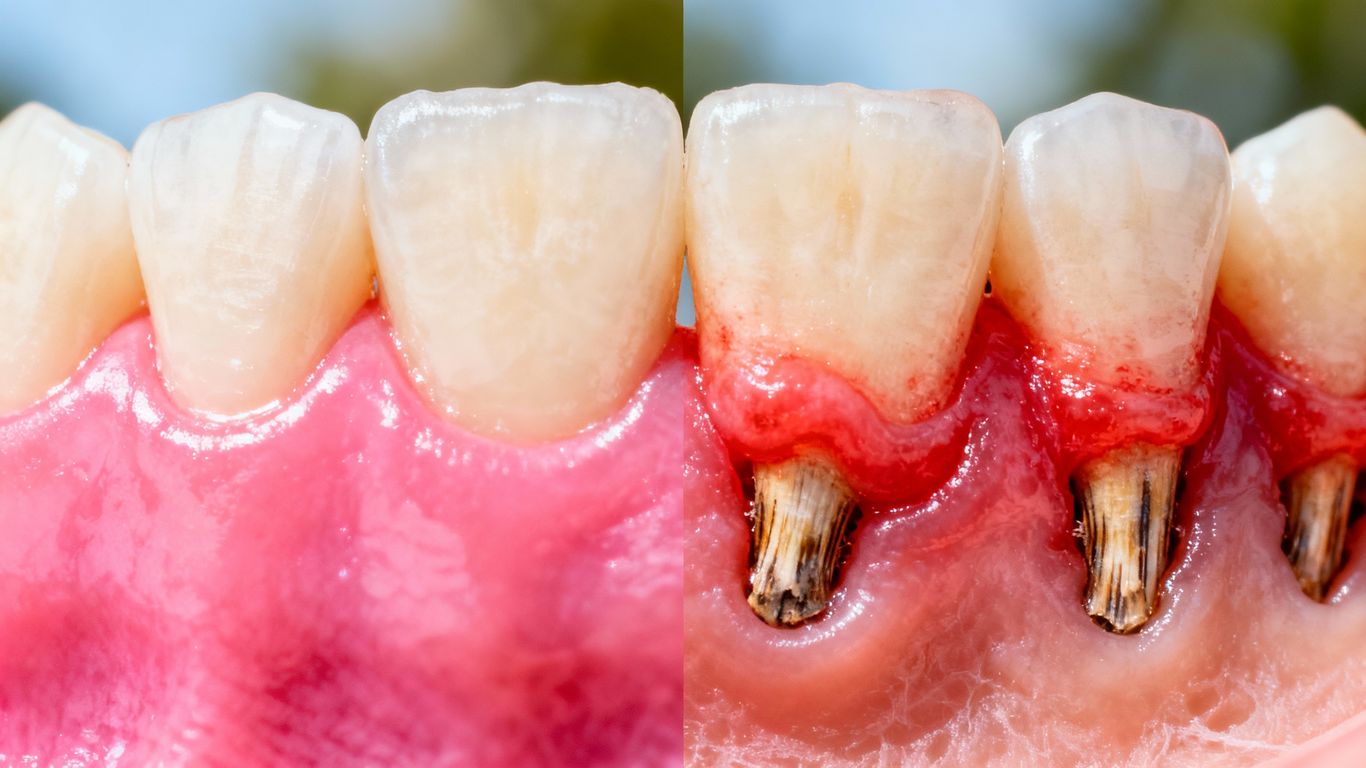
Ever notice your gums looking a little red or maybe bleeding when you brush? It might be more than just a minor irritation. We’re talking about periodontitis, a serious gum issue that can mess with your teeth and even your overall health if you’re not careful. It’s not super uncommon, and understanding what’s going on is the first step to keeping your smile in good shape. Let’s break down what periodontitis is, what causes it, how to spot it, and what can be done about it.
Key Takeaways
- Periodontitis is an advanced gum disease that damages the bone supporting your teeth, potentially leading to tooth loss if not treated.
- Common causes include poor oral hygiene, smoking, genetics, age, and certain health conditions like diabetes.
- Symptoms can range from bleeding and swollen gums to bad breath, loose teeth, and changes in your bite.
- Treatment involves professional cleanings (scaling and root planing), antibiotics, and sometimes surgery to repair damaged tissues.
- Preventing periodontitis means sticking to good daily oral care, avoiding smoking, eating well, and managing any underlying health issues.
Understanding Periodontitis
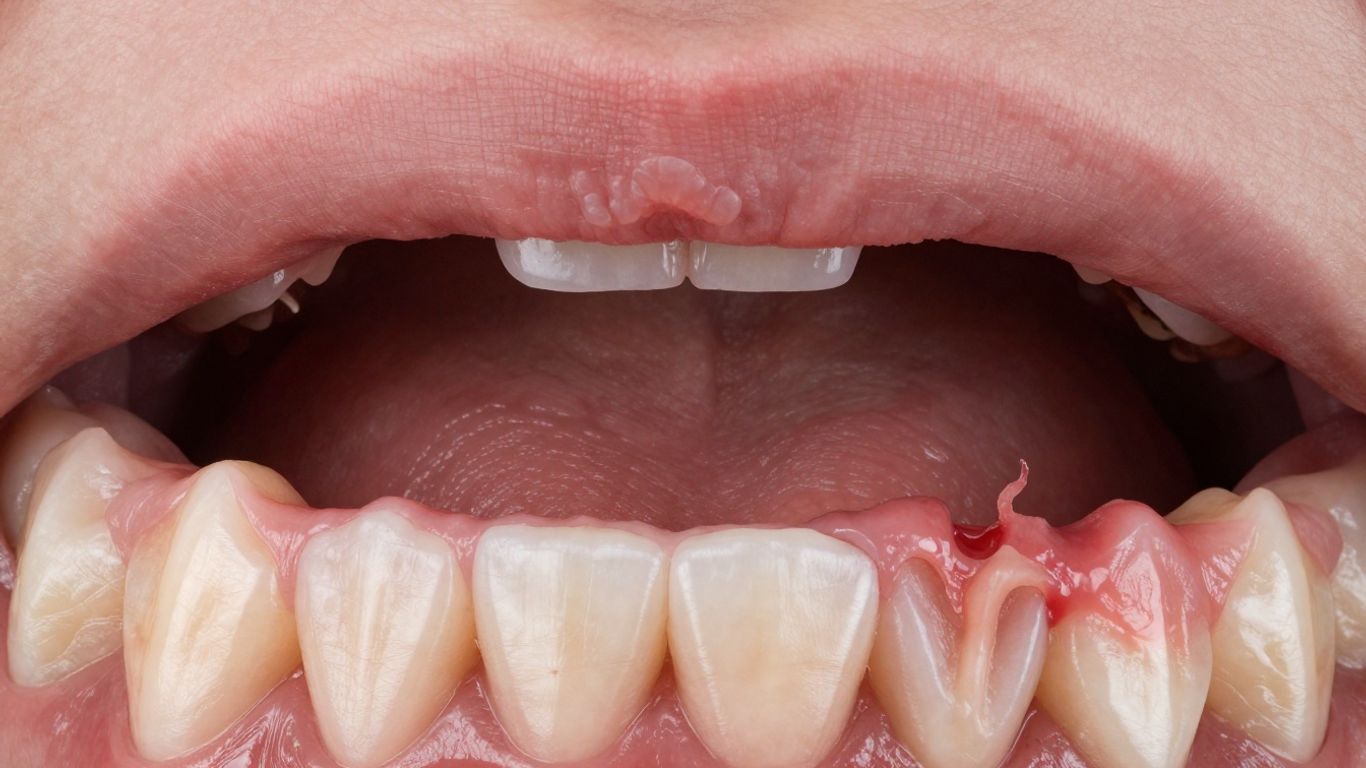
Periodontitis is a serious gum infection that can cause a lot of trouble. It’s not just about your gums looking a bit off; it actually affects the tissues and bone that hold your teeth in place. Think of it as an advanced gum infection that, if ignored, can lead to losing teeth. It’s more common than you might think, too. Many adults deal with it at some point.
Defining Periodontitis
So, what exactly is periodontitis? Basically, it’s the next step after gingivitis, which is that milder gum inflammation you might get from not cleaning your teeth well enough. When gingivitis isn’t treated, the inflammation can get worse. It starts to break down the stuff that keeps your teeth anchored. This creates little pockets between your gums and teeth where bacteria can really set up shop and cause more damage. It’s a progressive condition that needs attention.
The Prevalence of Periodontitis
It’s pretty widespread. Studies show that a good chunk of adults over 30 have some form of periodontitis. The older you get, the more likely you are to encounter it. This just goes to show how important it is to keep up with your dental care throughout your life, not just when you’re younger.
Here’s a quick look at how common it is:
- Age Group: Adults over 30
- Estimated Prevalence (US): Around 47.2%
- Trend: Increases with age
This condition isn’t just a local problem in your mouth. If it gets bad, it can actually have links to other health issues going on in your body. So, keeping your gums healthy is part of staying healthy overall.
Causes and Risk Factors for Periodontitis
So, what exactly leads to periodontitis? It’s not just one thing, really. It’s usually a mix of habits, your body’s own tendencies, and sometimes just plain bad luck. Understanding these factors is the first step in keeping your gums healthy.
Inadequate Oral Hygiene
This is probably the most common culprit. If you’re not brushing and flossing regularly, plaque, that sticky film of bacteria, builds up. At first, it causes gingivitis, which is just inflammation of the gums. But if you let it go, that plaque hardens into tartar, and that’s much harder to remove. Tartar irritates the gums, making them pull away from the teeth and creating little pockets where even more bacteria can hide and multiply. This persistent bacterial invasion is what really damages the tissues holding your teeth in place. It’s a cycle that’s hard to break once it starts.
Smoking
If you smoke, you’re really doing your gums a disservice. Nicotine and other chemicals in tobacco products mess with your body’s ability to fight off infections. They also reduce blood flow to your gums, meaning they don’t get the nutrients and oxygen they need to stay healthy. This makes it way easier for gum disease to take hold and progress faster than in non-smokers. Quitting smoking is one of the best things you can do for your oral health, and your overall health too. You can find resources to help you quit smoking.
Genetic Predispositions
Sometimes, it’s not entirely your fault. Some people are just genetically more prone to developing periodontitis. This means their immune system might overreact to the bacteria in plaque, or their gum tissues might be naturally weaker. Even with excellent oral hygiene, if you have a genetic predisposition, you might still be at a higher risk. It’s something to be aware of and discuss with your dentist.
Age-Related Changes
As we get older, our bodies change, and that includes our oral health. Our immune systems might not be as robust, and it can become a bit trickier to keep our teeth and gums perfectly clean. This means the risk of developing or worsening periodontitis tends to increase with age. It’s not a guarantee, of course, but it’s something to keep in mind.
Underlying Health Conditions
Your overall health really does impact your mouth. Conditions like diabetes are closely linked to gum disease. High blood sugar levels can make it harder for your body to fight off infections, including those in your gums. And, it works the other way too – gum disease can make it harder to control your blood sugar. Other conditions that can increase your risk include:
- Heart disease
- Respiratory diseases
- Rheumatoid arthritis
- Weakened immune systems (like from HIV/AIDS or chemotherapy)
It’s a good idea to let your dentist know about any health issues you have, as it can affect your gum health.
It’s important to remember that periodontitis isn’t just a local problem in your mouth. The inflammation and bacteria associated with it can potentially affect other parts of your body, making it a systemic issue as well.
Recognizing the Symptoms of Periodontitis
Sometimes, you might not even realize you have periodontitis until it’s pretty far along. It often starts subtly, almost like a quiet problem in your mouth. But paying attention to what your gums and teeth are telling you is super important. Spotting the signs early can make a huge difference in how well things can be treated.
Early Warning Signs
Think of these as the first whispers that something’s not quite right. Your gums might start looking a little redder than usual, or maybe they feel a bit puffy. They might even bleed when you’re just trying to brush or floss, which is definitely not normal. You might also notice your breath isn’t as fresh as it used to be, even if you brush regularly. This persistent bad breath, or halitosis, is often caused by bacteria hanging out in your mouth. Sometimes, you might see your gums starting to pull away from your teeth, making the tooth roots look longer. This is called gum recession, and it can make your teeth feel a bit sensitive.
Progressed Symptoms
If those early signs get ignored, things can get more serious. The sensitivity in your teeth might get worse, especially when you eat or drink something hot, cold, or sweet. You might start feeling pain when you chew. As the disease progresses, the tissues holding your teeth in place get weaker. This can lead to teeth feeling loose, which is a pretty big red flag. In some cases, your teeth might even shift their position. You might also notice pus forming around your gums, which is a clear sign of infection.
Visible Signs of Infection
When periodontitis really takes hold, you’ll see more obvious signs. Your gums will likely be noticeably red, swollen, and tender. You might see a build-up of plaque and tartar, which can look like a yellowish or brownish film on your teeth. Bleeding gums during brushing or flossing become more frequent. Persistent bad breath is a common complaint. As mentioned, gum recession is a key indicator, making teeth look longer and roots exposed. In more advanced stages, you might see pus oozing from the gum line, and teeth can become loose or even shift position. These are all clear symptoms of severe gingivitis that has progressed into periodontitis.
It’s easy to dismiss minor gum issues as just a temporary problem, but periodontitis is a progressive condition. Ignoring it allows the damage to spread, affecting not just your teeth but potentially your overall health too. Regular dental check-ups are your best defense against letting these symptoms go unnoticed.
Non-Surgical Periodontitis Treatments
When periodontitis is caught early or isn’t too far along, we have some pretty effective ways to tackle it without needing to cut into things. These methods focus on cleaning out the gunk and getting the bacteria under control. It’s all about getting things back to a healthier state before the damage gets worse.
Deep Scaling and Root Planing
This is like a super-powered deep clean for your gums. It’s done by your dentist or a dental hygienist. They use special tools to get rid of plaque and tartar that have built up not just on your teeth, but also deep down in the pockets that form between your gums and teeth. After cleaning, they smooth out the root surfaces of your teeth. This makes it harder for bacteria to stick around and helps your gums reattach better. It can feel a bit sensitive, so they often use a local anesthetic to keep you comfortable.
Antibiotic Therapy
Sometimes, even after a good cleaning, there are still stubborn bacteria hanging around. In these cases, your dentist might prescribe antibiotics. These can come in a few forms: pills you take by mouth, or sometimes a special antibiotic gel or powder that can be placed directly into those deep gum pockets. The goal is to really knock out the infection and give your gums a chance to heal properly. It’s usually used alongside scaling and root planing, not as a standalone fix.
Home Oral Care Regimens
What you do at home makes a huge difference. Your dental team will show you the best ways to brush and floss, making sure you’re reaching all those tricky spots. They might suggest specific toothpastes, mouthwashes, or even special tools like interdental brushes. Sticking to a consistent and thorough home care routine is key to managing periodontitis long-term. It’s not just about cleaning; it’s about preventing the problem from coming back.
Ongoing Professional Monitoring
Once the initial treatment is done, you can’t just forget about it. Regular check-ups are super important. Your dentist will want to see you more often than usual, maybe every three to six months, to check on your gums. They’ll measure those pockets, look for any signs of trouble, and give you a professional cleaning. This helps catch any issues early and makes sure the treatment is working like it should. It’s a team effort between you and your dental provider.
Non-surgical treatments aim to stop the progression of gum disease by removing irritants and controlling bacteria. They are the first line of defense and are most effective when combined with diligent home care and regular professional follow-ups.
Surgical Periodontitis Treatments
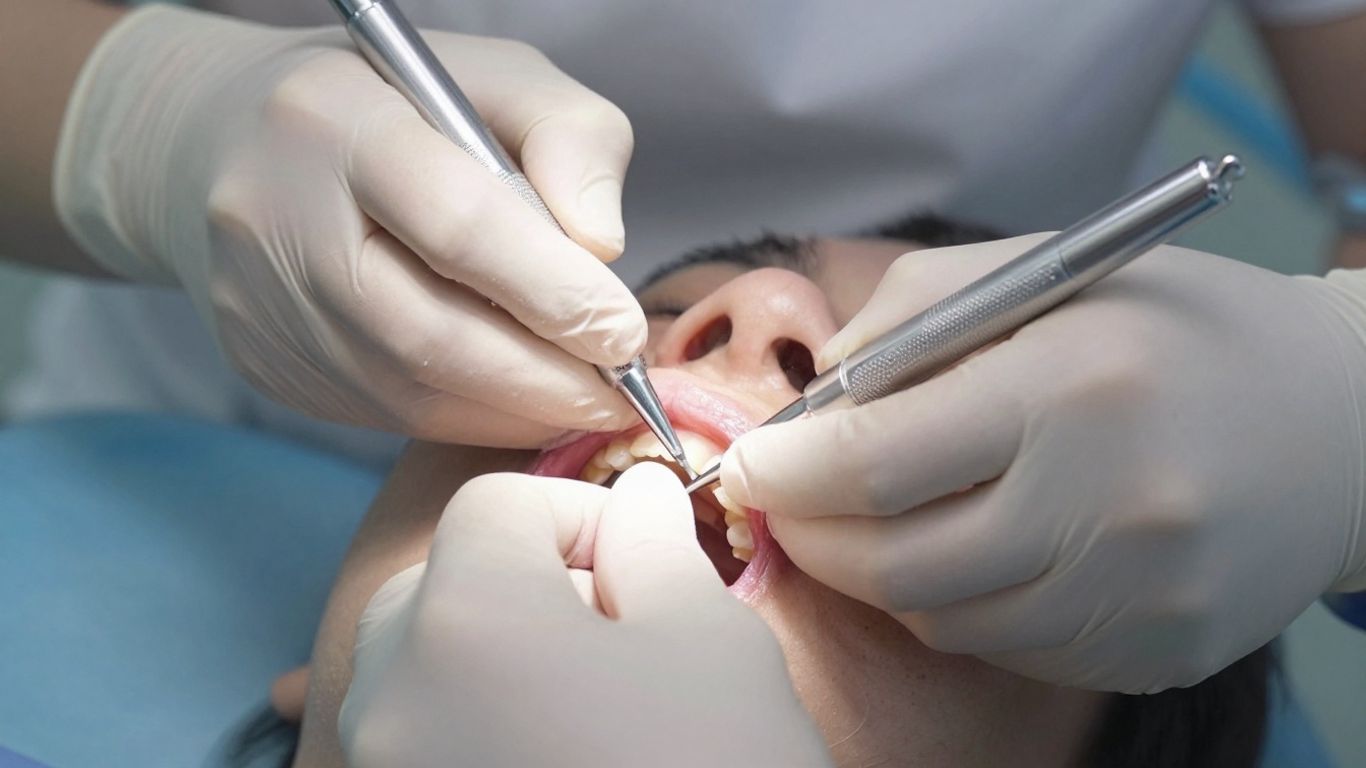
When periodontitis gets pretty advanced, meaning the infection has really dug in and started messing with the bone and tissues holding your teeth, we often need to bring out the surgical tools. These procedures are usually done by a periodontist, who’s basically a gum specialist. They’re designed to get to the root of the problem, literally, and try to repair the damage.
Flap Surgery and Bone Re-contouring
This is a common surgical approach. The periodontist makes a small cut in your gum line to lift the gum tissue, kind of like opening a flap. This gives them a clear view and access to clean out the bacteria and infected tissue that’s hiding deep down around your tooth roots. If there’s been bone loss, they can also smooth out the uneven bone edges during this procedure. It helps to stabilize things and make it harder for the disease to come back.
Dental Bone Grafts
If you’ve lost a significant amount of bone due to periodontitis, a bone graft might be recommended. This involves placing special grafting materials into the areas where bone has worn away. The goal is to give your body a scaffold to help regrow that lost bone, which is super important for supporting your teeth.
Gum Grafting Procedures
Sometimes, periodontitis causes your gums to pull back, exposing the sensitive roots of your teeth. This is called gum recession. A gum graft procedure takes tissue, usually from the roof of your mouth, and attaches it to the area where your gums have receded. It helps cover those exposed roots, protecting them and making your smile look more even.
Guided Tissue Regeneration
This is a bit more technical. A special membrane, made of material that your body won’t reject, is placed between your jawbone and your gum tissue. This membrane acts like a barrier, preventing the gum tissue and other fast-growing cells from creeping into the bone defect area. It essentially guides the bone cells to grow back where they’re needed, helping to rebuild the support for your teeth.
These surgical interventions are a significant step in managing severe gum disease. They aim not just to clean out infection but to actively repair and rebuild the damaged structures, offering a chance to save teeth that might otherwise be lost. It’s a complex part of gum disease treatment that requires specialized care.
It’s important to remember that even after surgery, keeping up with excellent oral hygiene and attending regular check-ups is absolutely key to long-term success. These procedures are part of a bigger plan to get your oral health back on track.
Preventing Periodontitis Progression
So, you’ve learned about periodontitis, what causes it, and how it shows up. Now, let’s talk about stopping it in its tracks and keeping your gums healthy. It’s not just about brushing your teeth; it’s a whole lifestyle thing. Taking proactive steps is key to maintaining your dental health for gums and preventing gum recession.
Maintaining Excellent Oral Hygiene
This is the big one, folks. You can’t just brush when you remember. It needs to be a daily, twice-a-day commitment. Think of it as your primary defense. Using the right tools and techniques makes a difference.
- Brushing: Use a soft-bristled toothbrush and fluoride toothpaste. Angle the brush towards the gum line and use gentle, circular motions. Don’t forget the insides of your teeth and your tongue.
- Flossing: This is non-negotiable. Flossing gets the gunk out from between your teeth and under the gum line where your toothbrush can’t reach. If regular floss is tricky, try floss picks or interdental brushes.
- Mouthwash: An antimicrobial mouthwash can help reduce bacteria, but it’s not a substitute for brushing and flossing. Ask your dentist if one is right for you.
Quitting Smoking
If you smoke, this is probably the hardest part, but it’s also one of the most impactful things you can do for your gum health. Smoking really messes with your body’s ability to fight off infections, including the ones that cause periodontitis. It also slows down healing. Seriously, quitting is a game-changer for your mouth and your whole body.
Adopting a Balanced Diet
What you eat affects your gums. A diet loaded with sugar and processed foods feeds the bad bacteria in your mouth. These bacteria produce acids that can harm your teeth and gums. Instead, focus on:
- Fruits and Vegetables: They’re packed with vitamins and antioxidants that help your body fight inflammation.
- Whole Grains: These provide steady energy and fiber.
- Lean Proteins: Important for tissue repair.
- Water: Staying hydrated helps keep your mouth moist, which is good for washing away food particles and bacteria.
Managing Systemic Health
It’s not just about your mouth. Conditions like diabetes and heart disease are linked to periodontitis. If you have these, managing them well is super important for your gums too. It’s a two-way street; gum health can affect these conditions, and they can affect your gums. So, working with your doctor to keep those under control is a big part of preventing gum problems.
Keeping your mouth clean and healthy isn’t just about having a nice smile. It’s about preventing serious infections that can spread and affect your overall well-being. Think of it as an investment in your long-term health.
The Impact of Periodontitis on Overall Health
It’s easy to think of gum disease, like periodontitis, as just a mouth problem. But honestly, it’s a bit more complicated than that. What happens in your mouth can actually have ripple effects throughout your entire body. We’re talking about connections to some pretty serious health issues, and it’s worth paying attention to.
Links to Cardiovascular Disease
There’s a growing body of research suggesting a link between periodontitis and heart problems. The chronic inflammation that comes with severe gum disease might play a role in the development or worsening of conditions like heart attacks and strokes. It seems the bacteria from infected gums can sometimes get into the bloodstream, potentially affecting blood vessels and contributing to plaque buildup in arteries. It’s not a direct cause-and-effect for everyone, but it’s a connection that dentists and doctors are taking seriously.
Connection to Diabetes Management
If you have diabetes, you’re already at a higher risk for gum disease, and periodontitis can be more severe. It’s kind of a two-way street. High blood sugar levels can make it harder for your body to fight off the bacterial infections in your gums. On the flip side, when your gums are inflamed and infected, it can actually make it harder to keep your blood sugar under control. This can create a frustrating cycle where each condition makes the other worse.
Potential Role in Cognitive Health
This is a newer area of research, but some studies are exploring how periodontitis might be connected to cognitive decline and conditions like Alzheimer’s disease. The idea is that chronic inflammation and bacteria from the mouth could potentially affect brain health over time. While more research is definitely needed to fully understand this link, it highlights just how interconnected our body systems are. Keeping your gums healthy might be another piece of the puzzle for maintaining brain function as we age.
Did you know that gum disease, also known as periodontitis, can affect more than just your mouth? It’s true! This common gum problem can actually lead to other health issues throughout your body. Don’t let it get worse. Learn more about how to protect your health by visiting our website today!
Taking Control of Your Gum Health
So, we’ve talked about periodontitis, which is basically a serious gum issue that can really mess with your teeth and the stuff holding them in. It’s not something to ignore, because it can get worse and cause bigger problems, even affecting your overall health. The good news is, there are ways to deal with it. Keeping up with brushing and flossing is key, and seeing your dentist regularly is super important for catching things early. Whether it’s a deep cleaning or something more involved, treatments are available to help manage the condition and keep your smile in good shape. Don’t wait around if you think something’s up with your gums – getting it checked out is the best first step.
Frequently Asked Questions
What exactly is periodontitis?
Periodontitis is a serious gum infection that damages the soft tissues and bone holding your teeth in place. Think of it as a more advanced stage of gum disease that can cause a lot of trouble if not treated.
What causes this gum problem?
Usually, it starts with not cleaning your teeth well enough, letting plaque build up. Other things like smoking, genetics, getting older, and certain health issues like diabetes can also make you more likely to get it.
How can I tell if I have periodontitis?
Look out for red, swollen, or bleeding gums. You might also notice bad breath that won’t go away, your gums pulling away from your teeth, or even loose teeth. Sometimes, it doesn’t hurt, so regular dental check-ups are really important.
What are the treatments for periodontitis?
Treatments range from deep cleaning procedures called scaling and root planing to remove plaque and tartar below the gum line. In more serious cases, surgery might be needed to fix damaged bone and gums. Sometimes, antibiotics are used too.
Can periodontitis be prevented?
Yes, definitely! The best way is to keep your teeth and gums super clean by brushing twice a day and flossing daily. Also, try to avoid smoking, eat healthy foods, and manage any other health conditions you might have.
Does gum disease affect my overall health?
Yes, it can. Research shows links between periodontitis and other serious health problems like heart disease, diabetes complications, and even issues with your brain. Keeping your gums healthy is good for your whole body!
