
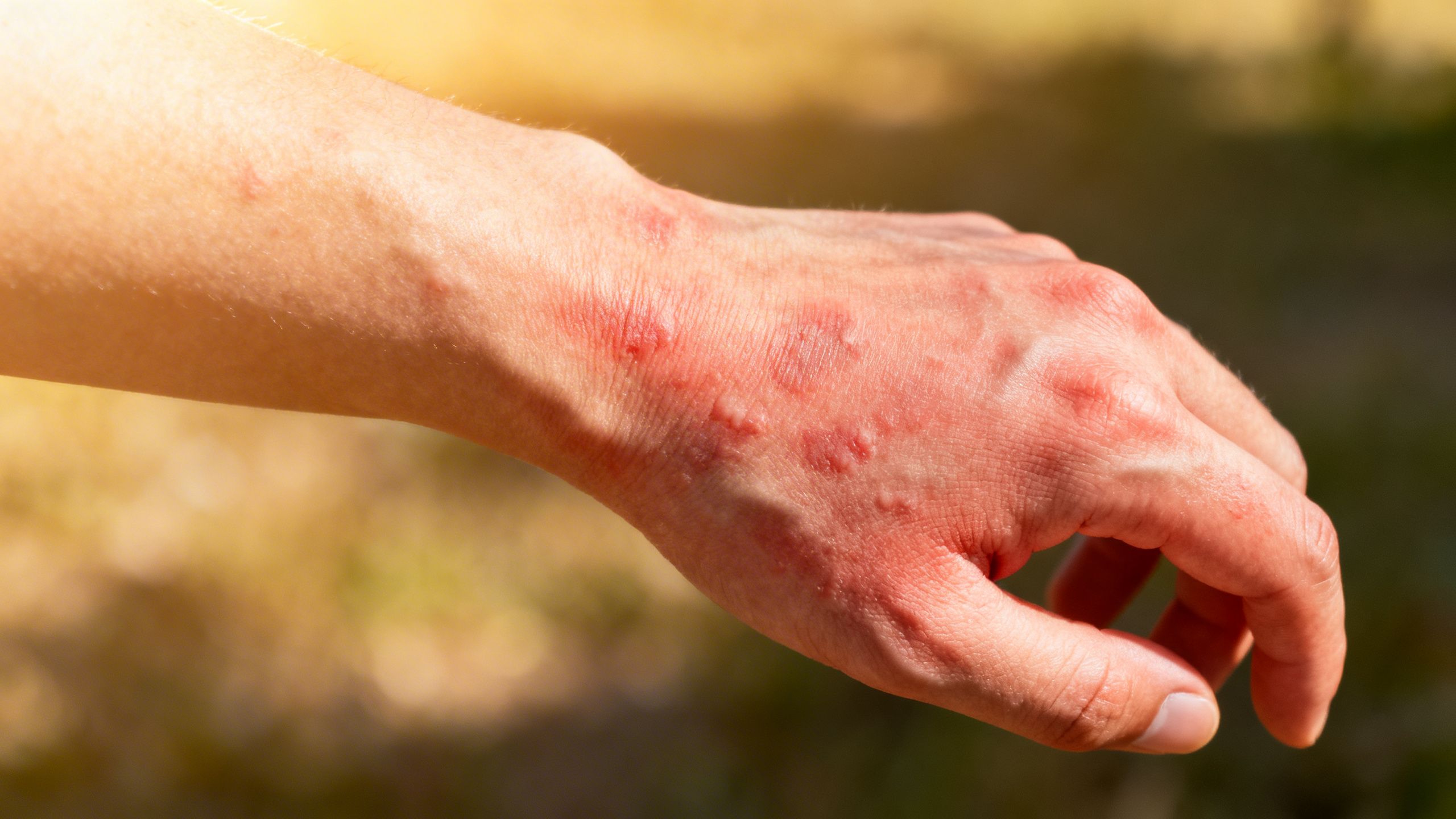
Ever noticed those itchy, raised bumps that seem to appear out of nowhere? They might be urticaria, commonly known as hives. This common skin condition can pop up for a variety of reasons, from allergies to infections. While often not serious, understanding what urticaria is and how to manage it can bring a lot of relief. Let’s take a closer look at this sometimes puzzling rash and its triggers can be elusive. Understanding the different types of urticaria and their potential causes is the first step toward finding relief.
What Are Hives?
Hives are basically raised, itchy welts on your skin. They can show up anywhere, and they often look like mosquito bites, but they can also appear as larger, swollen patches. These bumps can be red or the same color as your skin, and they usually have a red ring around them. The really wild thing about hives is that they tend to move around. One patch might disappear after a few hours, only for a new one to pop up somewhere else. This transient nature is a big clue that you’re dealing with urticaria. They can be super itchy, but sometimes they might also sting a bit.
Urticaria vs. Other Rashes
It’s easy to get hives mixed up with other skin issues, like eczema. Eczema, for instance, is often a more persistent rash that causes dry, inflamed skin, and it doesn’t typically form those distinct, raised welts that move around like hives do. While both can be itchy, the appearance and behavior of the rash are usually quite different. Think of urticaria as a temporary visitor that makes a dramatic entrance and exit, while other rashes might be more like a long-term houseguest.
Appearance of Urticaria
When urticaria shows up, it’s usually pretty obvious. You’ll see these raised areas, called wheals, on your skin. They can be small, like little dots, or they can merge together to form bigger, swollen patches. The color can vary, but they’re often surrounded by a red flare. It’s interesting how they can look different depending on your skin tone; on darker skin, the redness might be less noticeable, and the hives might appear more as swollen bumps.
-
Wheals: Raised, itchy bumps.
-
Red Flare: A ring of redness around the wheal.
-
Transient Nature: Hives typically appear and disappear within hours, often moving to different parts of the body.
It’s important to remember that while hives are usually just annoying, sometimes they can be a sign of something more serious, especially if they come with swelling in the mouth or throat. Always pay attention to how you’re feeling overall when a rash appears.
Recognizing Urticaria Symptoms
So, you’ve got this rash, and you’re wondering if it’s urticaria, also known as hives. It’s a pretty common thing, and usually, it’s not a huge emergency, but it can be really annoying. The main thing to look out for are those classic itchy welts on skin. They can pop up pretty much anywhere on your body and often look like raised, red bumps. Sometimes they have a pale center, and they can vary in size from small dots to big patches. What’s really characteristic is that they tend to move around. One hive might fade away in a few hours, only for new ones to appear somewhere else. This transient nature is a big clue.
Key Symptoms of Urticaria
Urticaria symptoms can be quite distinct. You’ll typically see:
-
Wheals (Hives): These are the most obvious sign. They’re raised, red or skin-colored bumps that appear suddenly. They can be round, oval, or irregular in shape.
-
Intense Itching: This is almost always present and can be quite bothersome, making you want to scratch constantly.
-
Transient Nature: Hives usually appear and disappear within 24 hours, though new ones can keep forming. The pattern of the rash can change over hours.
-
Angioedema: Sometimes, hives come with swelling, especially around the eyes, lips, tongue, or even the hands and feet. This is called angioedema and can be more concerning if it affects the airway.
The Role of Histamine
Ever wonder why hives itch so much? It’s all thanks to histamine. When your body encounters something it thinks is a threat – whether it’s an allergen or something else – it releases histamine. This chemical causes blood vessels in the skin to leak fluid, leading to those swollen, itchy welts. It’s basically your body’s alarm system going off, sometimes a bit too enthusiastically. This is a common mechanism behind many allergic skin reactions.
Angioedema: Swelling Beyond Hives
While hives are the raised bumps, angioedema is a deeper swelling. It often affects the face, particularly the eyelids and lips, but can also occur in the throat, tongue, hands, or feet. Unlike hives, angioedema might not be as itchy, but it can feel tight or painful. If angioedema affects your tongue or throat, it can make breathing difficult, which is why it needs prompt medical attention. It’s a sign that the reaction might be more serious than just a simple rash.
It’s important to remember that while most hives are temporary and resolve on their own, persistent or severe symptoms, especially those involving swelling of the face or difficulty breathing, warrant a visit to a doctor. Don’t just tough it out if you’re worried.
Chronic Hives Symptoms
When hives stick around for more than six weeks, we’re talking about chronic hives. The symptoms are similar to acute urticaria – those itchy welts and occasional swelling – but the key difference is the duration. People with chronic hives symptoms often experience them daily, and the cause isn’t always clear. It can be frustrating because the rash can come and go, sometimes for months or even years. It’s a real test of patience, and finding relief often involves ongoing management rather than a quick fix.
Causes and Triggers of Urticaria
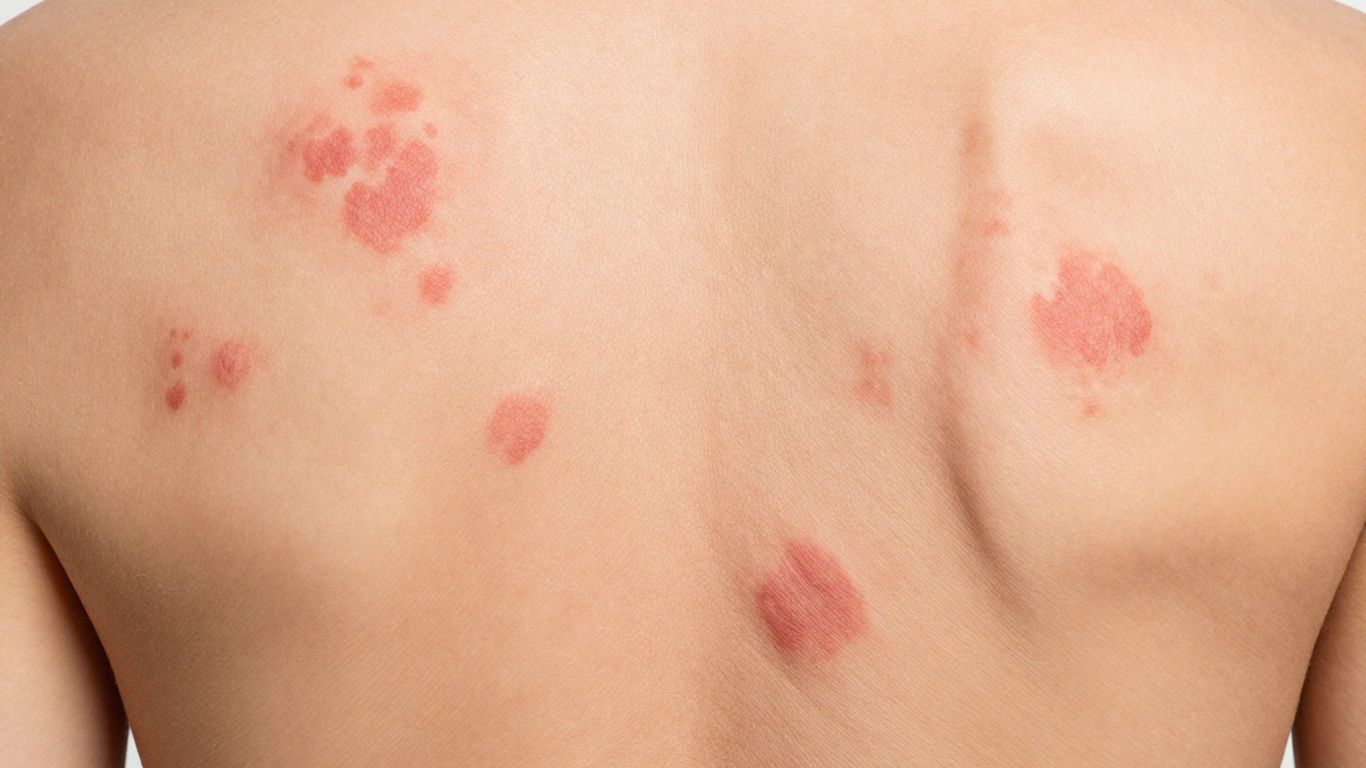
So, what actually sets off those pesky hives? It’s a question many people ask when they’re dealing with a sudden, itchy rash. The truth is, urticaria, or hives, can pop up for a whole bunch of reasons. Sometimes it’s pretty obvious, and other times, it’s like a medical mystery.
Common Triggers for Urticaria
Many things can make your skin decide to erupt in hives. Food allergies are a big one, with common culprits including peanuts, eggs, nuts, and shellfish. Medications are another frequent offender; things like antibiotics (especially penicillin and sulfa drugs), aspirin, and ibuprofen can trigger a reaction. Even insect stings or bites can lead to a hives rash. It’s not just what you eat or take, though. Sometimes, it’s about what you touch, like latex, or even things in the environment such as pollen or pet dander.
Infections as a Cause
Don’t underestimate the power of an internal bug! Infections are a surprisingly common cause of urticaria, especially in kids. Bacterial infections, like urinary tract infections or strep throat, can set off hives. Viral infections, such as the common cold, mononucleosis, or hepatitis, are also on the list. Even though the infection might seem minor, your body’s response can sometimes manifest as a skin rash.
Physical Urticaria Triggers
This is where things get a bit more specific. Physical urticaria means the hives are brought on by a direct physical stimulus. Think about these:
-
Dermatographism: This is probably the most common type. It happens when your skin reacts to rubbing or scratching. You might notice hives appearing right where you’ve scratched an itch.
-
Pressure Urticaria: Constant pressure on the skin, like from tight clothing or sitting for a long time, can cause delayed swelling that appears hours later.
-
Temperature Changes: Cold urticaria can cause hives when exposed to cold temperatures, and then re-warming. Conversely, cholinergic urticaria is triggered by an increase in body temperature, often from exercise, hot showers, or even anxiety.
-
Solar Urticaria: Yes, even the sun can be a trigger for some people, causing hives to appear shortly after sun exposure.
Allergies and Urticaria
Allergies are a major player when it comes to hives. Beyond food and medications, environmental allergens like pollen or mold can contribute. It’s often a process of elimination to figure out exactly what you’re allergic to. Keeping a detailed diary of what you ate, what you were exposed to, and when the hives appeared can be super helpful for your doctor. Sometimes, allergy testing might be needed to pinpoint the exact hives rash causes.
It’s important to remember that not all rashes are urticaria, and not all urticaria has an easily identifiable cause. Sometimes, the body just reacts, and figuring out the ‘why’ can be a journey. If you’re struggling to pinpoint a trigger, don’t get discouraged. Medical professionals have tools and methods to help investigate.
Types of Urticaria
So, urticaria isn’t just one thing, you know? It shows up differently and lasts for different amounts of time. Basically, doctors split it into two main camps: acute and chronic. It’s like the difference between a quick storm and a long, drawn-out rainy season.
Acute Urticaria
This is the more common type, and it’s usually pretty short-lived. Think of it as the kind of hives that pop up and then, poof, they’re gone within six weeks. Often, it’s your body reacting to something specific, like a new food, a medication, or even a bug bite. The good news is that acute urticaria usually clears up on its own without much fuss. It’s the body’s way of saying, “Whoa, what was that?!” and then moving on.
Chronic Urticaria
Now, this is where things get a bit more persistent. Chronic urticaria means the hives stick around for longer than six weeks. Sometimes, they can last for months, or even years. It can be really frustrating because, well, they just don’t seem to want to leave.
Chronic Idiopathic Urticaria
This is a specific kind of chronic urticaria, and the “idiopathic” part is key here. It basically means doctors can’t figure out what’s causing it. They’ve looked, they’ve tested, and still, no clear culprit. It’s thought that in many of these cases, the body’s own immune system might be playing a role, maybe overreacting a bit. It’s a bit of a mystery, but it’s still manageable with the right approach.
It’s important to remember that even though the cause might be unknown in chronic idiopathic urticaria, treatments are available to help manage the symptoms and improve your quality of life. The goal is to reduce the itching and swelling so you can get back to feeling like yourself.
Urticaria in Children
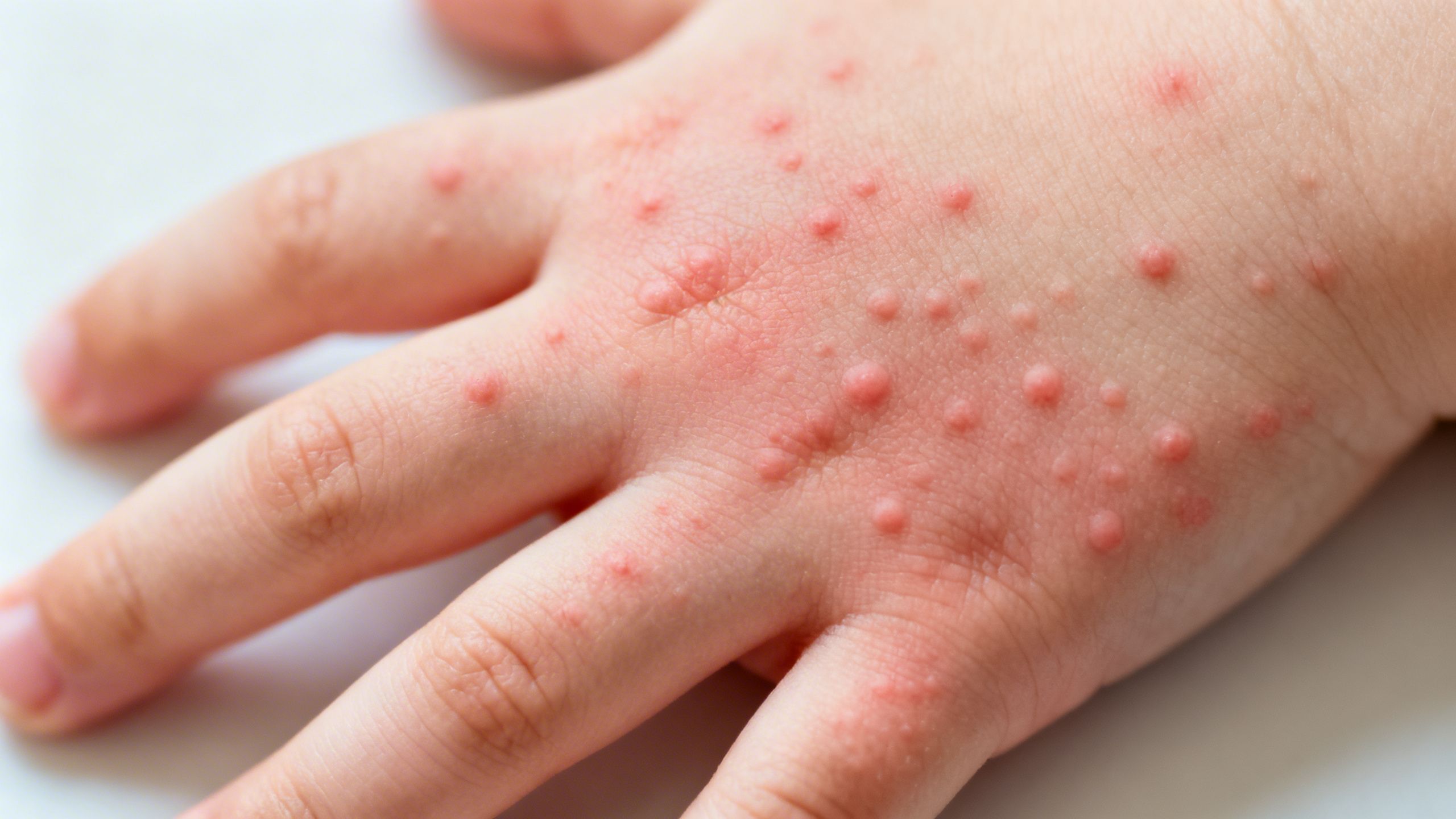
Hives in Infants and Children
Seeing hives pop up on your child can be pretty alarming. These red, itchy welts, medically known as urticaria, are a common sight in kids, especially those between 1 and 4 years old. They can appear suddenly, sometimes with itching starting even before the welts show up. While most hives clear up within a day, some can stick around for weeks, and in certain cases, they might even linger for months or years. It’s estimated that about 20% of people get hives at some point in their lives, so you’re definitely not alone if your child experiences them.
Common Causes in Children
When kids get hives, parents often first think about food allergies. And yes, food and medications can be triggers. However, the most frequent culprit behind acute hives in children is actually infections. Think of a common cold or a stomach bug – these can often lead to a bout of hives. Other triggers can include insect bites, and sometimes, even stress can play a role. For chronic hives, the causes can be a bit more complex, sometimes linked to things like thyroid issues or, rarely, other underlying health conditions. There’s also a category called physical urticaria, where hives appear due to things like pressure on the skin, temperature changes, or even sun exposure.
When to Seek Medical Attention for Children
Most of the time, hives in children aren’t a cause for major panic. However, there are definitely times when you need to get medical help right away. If your child has any trouble breathing, or if you notice swelling in their face, lips, or tongue, it’s time to head to the emergency room or call 911 immediately. These could be signs of a more serious allergic reaction. For less severe cases, like widespread itching and welts, an urgent care visit might be appropriate. It’s always best to err on the side of caution when it comes to your child’s health. If you’re unsure, a quick call to your pediatrician can help you decide the best course of action. For persistent or severe cases, consulting with an allergist is a good idea, as they can help figure out the triggers and manage chronic urticaria effectively. Antihistamines are usually the first line of treatment, and sometimes doctors might increase the dosage if needed. In some situations, a short course of steroids or other medications might be prescribed. If there’s a risk of severe reactions, a doctor might even prescribe an epinephrine autoinjector for emergencies.
Diagnosing and Treating Urticaria

Clinical Diagnosis of Urticaria
Figuring out if you have urticaria, or hives, usually starts with a good chat with your doctor. They’ll ask about your symptoms – like how long the rash has been around, if it itches like crazy, and if it seems to move or change shape. They’ll also look at the rash itself. Often, the appearance of those raised, red welts that come and go is enough for a diagnosis. Sometimes, if things are a bit unclear or if the urticaria is chronic, they might suggest some tests. This could include blood work to check for underlying issues or allergy testing, though not everyone with hives needs extensive testing. It’s all about piecing together the puzzle based on what they see and what you tell them.
Antihistamines for Urticaria
When it comes to treating urticaria, especially acute urticaria treatment, antihistamines are usually the first line of defense. These medications work by blocking histamine, the chemical your body releases that causes those itchy welts and swelling. You’ll often find them available over-the-counter. Doctors might start you on a standard dose, but if that’s not cutting it, they can often increase it quite a bit. The goal is to find a dose that keeps the itching and hives under control without too many side effects. For many people, a non-drowsy, once-a-day option works wonders.
-
Second-generation antihistamines are generally preferred because they cause less drowsiness.
-
Doses can often be increased if the initial treatment isn’t fully effective.
-
Treatment is typically stopped once the hives have resolved.
In some more stubborn cases, a doctor might suggest using a combination of different antihistamines. For really severe flare-ups, a short course of steroid medication might be prescribed, but this is usually temporary.
Managing Chronic Urticaria
Dealing with chronic urticaria, the kind that sticks around for more than six weeks, can be a real challenge. It often requires a more consistent approach. While antihistamines are still key, doctors might use higher doses or a combination of different types to manage symptoms day-to-day. Sometimes, other medications that help calm the immune system might be considered if antihistamines alone aren’t enough. It’s important to work closely with your healthcare provider to find a management plan that works for you. They might also look for any underlying conditions that could be contributing to the chronic hives, like thyroid issues. Avoiding known triggers, if they can be identified, is also a big part of managing this long-term condition. If you’re dealing with hives that just won’t quit, don’t hesitate to seek out a specialist, like an allergist or dermatologist, who can offer more specialized care.
For those with severe reactions, especially if there’s swelling of the lips or tongue, or difficulty breathing, an epinephrine auto-injector might be prescribed. This is a critical emergency tool to have on hand, as these symptoms can signal a serious allergic reaction.
Dealing with hives, also known as urticaria, can be really frustrating. These itchy welts can pop up unexpectedly, making you uncomfortable. Understanding what causes them and how to manage them is key to finding relief. An effective and safe solution for the skin is OXILVER Skin Solution 100 ml, based on active oxygen compounds. The solution provides an immediate feeling of freshness, while its spray form ensures even distribution over the entire body. Up If you’re struggling with persistent hives, don’t wait to get help. Visit our website www.enikam.com today to learn more about effective treatments and find the relief you deserve.
Wrapping Up: What to Remember About Hives
So, that’s the lowdown on urticaria, or hives, as most of us call them. It’s that itchy, raised rash that can pop up seemingly out of nowhere. While it might look alarming, especially on kids, it’s usually not a huge deal and often clears up on its own. Antihistamines are typically your go-to for relief. Remember, if you’re seeing hives that stick around for weeks, or if there are any breathing issues or serious swelling, it’s definitely time to get a doctor involved. Most of the time though, these itchy bumps are just a temporary visitor. Keep an eye on it, treat the itch, and usually, it’ll be gone before you know it.
Frequently Asked Questions
What exactly are hives, also known as urticaria?
Hives, or urticaria, are those itchy, raised bumps or welts that pop up on your skin. They can look like mosquito bites and might be red or skin-colored, often with a red ring around them. These welts can appear anywhere on your body and can change shape or move around within a few hours.
What’s the difference between urticaria and other skin rashes?
Unlike many other rashes that might be dry or flaky, hives are typically smooth, raised, and very itchy. They usually don’t leave marks behind once they fade, which often happens within 24 hours. While other rashes can be caused by things like eczema or infections, hives are often linked to your body releasing a substance called histamine.
What causes hives to appear on the skin?
Hives happen when your body releases histamine, often in response to something it thinks is a threat. Common triggers include allergic reactions to foods, medications, or insect bites. Infections, like a cold, can also cause hives, especially in children. Sometimes, things like heat, cold, pressure, or even scratching the skin can trigger them.
Are there different kinds of urticaria?
Yes, there are! Acute urticaria is when hives last for less than six weeks, and they often clear up on their own. Chronic urticaria is when hives stick around for more than six weeks. Sometimes, doctors can’t figure out the exact reason for chronic hives, and they call this chronic idiopathic urticaria.
When should I worry about hives, especially in a child?
While most hives are just itchy and annoying, you should seek immediate medical help if hives come with trouble breathing, swelling in the face or tongue, or if they are accompanied by vomiting or diarrhea. For children, if hives keep coming back or don’t get better with basic treatment, it’s a good idea to see a doctor.
How are hives treated?
The main treatment for hives is usually an oral antihistamine, which helps calm down the itching and swelling. If one type or dose doesn’t work, your doctor might suggest a stronger dose or a different medication. For most people, once the hives go away, they can stop the treatment.