
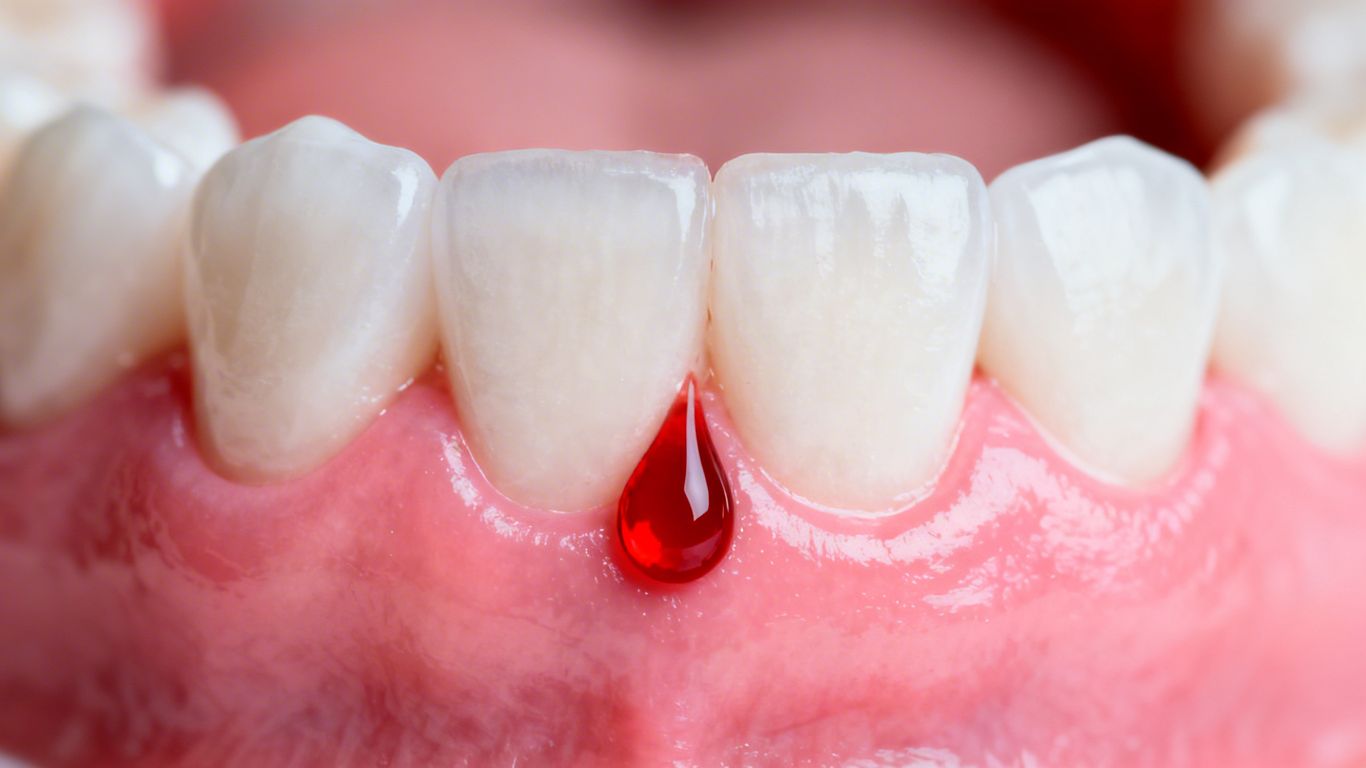
Ever notice a bit of pink in the sink after brushing? Bleeding gums are pretty common, and while it’s easy to brush it off, it’s actually your mouth telling you something. It’s not always a big deal, but sometimes it means you need to pay closer attention to your oral health. We’re going to break down why your gums might be bleeding, what you can do about it at home, and when it’s definitely time to call the dentist.
Key Takeaways
-
Plaque buildup is the main reason gums bleed, as bacteria irritate the gum tissue. Keeping teeth clean with brushing and flossing is key.
-
Sometimes, bleeding gums are temporary, like when you start flossing or due to hormonal changes during pregnancy. But if it lasts more than a week, check in with a dentist.
-
Certain medications, like blood thinners, and vitamin deficiencies (especially Vitamin C) can also lead to gums bleeding more easily.
-
Good news: preventing bleeding gums is mostly about daily habits. Brush gently with a soft brush, floss daily, eat well, and drink plenty of water.
-
Don’t ignore persistent bleeding, swelling, or loose teeth. These can be signs of more serious gum disease or even other health issues that a dentist needs to check out.
Understanding The Causes Of Bleeding Gums
So, you’ve noticed a bit of pink in the sink after brushing? It’s a common thing, really, and often the first sign that something’s up with your gums. It’s easy to just brush it off, but understanding why it happens is the first step to keeping your mouth healthy. Turns out, there are quite a few reasons why your gums might decide to bleed.
The Connection Between Plaque and Bleeding Gums
Let’s be real, plaque is usually the main troublemaker. It’s that sticky film of bacteria that loves to hang out on your teeth, especially right where they meet your gums. If you don’t get rid of it regularly with brushing and flossing, it hardens into tartar. And that stuff? You can’t get rid of it at home; you need a dentist for that. The bacteria in plaque release toxins that irritate your gum tissue. Your body’s natural response is to send more blood to the area, which causes swelling, redness, and yep, bleeding. It’s basically your gums telling you they’re not happy. This is often the start of gingivitis, and the good news is, it usually gets better with better oral hygiene and a good cleaning.
Medications That Can Cause Gum Bleeding
Sometimes, it’s not just about how you’re cleaning your teeth. Certain medications can mess with your gums. If you’re on blood thinners like aspirin or warfarin, your blood doesn’t clot as easily. This means even a gentle brush or floss can cause bleeding. Some other drugs, like certain antibiotics or chemotherapy meds, can lower your platelet count, making bleeding more likely. It’s super important to let your dentist know about all the meds you’re taking, so they can figure out if that’s the reason for the bleeding. You can find more information about how medications affect your health on WebMD.
Vitamin Deficiencies and Gum Health
What you eat really matters for your gums. A lack of certain vitamins can make a big difference. For instance, not getting enough Vitamin C is a big deal. This vitamin is key for making collagen, which keeps your gums strong and healthy. Without enough, your gums get weak and are more prone to inflammation and bleeding. Vitamin K is also important because it helps your blood clot. If you’re low on that, even a small injury to your gums might bleed for a while. Eating a balanced diet with plenty of fruits and vegetables is usually enough to keep these vitamin levels in check.
Hormonal Changes Affecting Gums
Ever notice your gums acting up during certain times? Hormones can play a role. During puberty, pregnancy, or even just your monthly cycle, hormonal shifts can make your gums more sensitive and reactive. This can throw off the balance of bacteria in your mouth, leading to more irritation and a higher chance of bleeding. It’s why many pregnant women experience what’s called “pregnancy gingivitis.” It’s usually temporary, but it’s something to be aware of and discuss with your dentist.
Recognizing When Bleeding Gums Signal Trouble
So, you’ve noticed a little pink in the sink after brushing, or maybe even a bit during flossing. It’s easy to brush it off, thinking you just went a little too hard. But sometimes, that bleeding is your body trying to tell you something more. It’s not always just about brushing technique; it can be a sign that something deeper is going on with your oral health, or even your overall health.
Persistent Bleeding Beyond A Week
Occasional bleeding, especially if you’ve just started a new flossing routine or haven’t flossed in a while, might stop within a few days to a week as your gums get used to it. But if your gums keep bleeding for more than seven to ten days, even with gentle care, that’s a red flag. It suggests that the inflammation is more than just a temporary reaction. This persistent bleeding can be an early indicator of gingivitis, the first stage of gum disease. If left unchecked, gingivitis can progress to more serious issues like periodontitis, which can damage the bone supporting your teeth. It’s really important to get this checked out by a dentist if it doesn’t clear up quickly.
Signs of Advanced Gum Disease
Beyond just bleeding, there are other signs that your gum health might be in trouble. You might notice your gums starting to pull away from your teeth, making them look longer. This is called gum recession. Also, pay attention to your breath. If you have persistent bad breath that doesn’t go away even after brushing and using mouthwash, it could be due to bacteria building up along the gum line. Another big sign is if your teeth start to feel loose or seem to be shifting position. This often means the bone and tissues holding your teeth in place are weakening, which is a hallmark of advanced gum disease.
Systemic Health Conditions Linked to Bleeding Gums
It’s not just your mouth that bleeding gums can point to. Sometimes, your gums can be a window into your overall health. Conditions like diabetes can make you more prone to gum disease and make it harder for your body to fight off infections, including those in your mouth. Certain blood disorders or even vitamin deficiencies can also show up as bleeding gums. It’s a good idea to mention any ongoing health issues or medications you’re taking to your dentist, as they might be connected. For instance, some medications can affect how your blood clots, leading to easier bleeding. If you’re experiencing bleeding gums, it might be worth discussing with your doctor if there are any underlying health factors at play, especially if you have other symptoms. Maintaining good oral hygiene, like using an oral hygiene solution designed for gum health, can help manage inflammation and support healing.
Severe Bleeding and Associated Symptoms
If you’re experiencing severe bleeding that’s hard to stop, or if the bleeding is accompanied by other uncomfortable symptoms, it’s definitely time to seek professional help. These other symptoms could include significant pain in your gums or jaw, noticeable swelling, or even pus appearing between your teeth and gums. Sometimes, bleeding gums can also be linked to difficulty chewing or a general feeling of discomfort in your mouth. These more intense signs usually mean there’s a more significant infection or inflammation present that needs immediate attention from a dental professional. Don’t wait around if things feel really bad; get it checked out.
Effective Treatments For Bleeding Gums
So, your gums are bleeding. It happens, and usually, it’s not the end of the world, but it’s definitely a sign you need to pay attention. The good news is there are ways to get things back on track.
Professional Dental Cleaning
This is pretty much the first step for most people. Even if you’re brushing and flossing like a champ at home, there are spots you’ll miss. A dental hygienist can get rid of that stubborn plaque and tartar buildup that’s irritating your gums. They use special tools to scrape it all away. It might feel a little weird, and yes, your gums might bleed a bit more during the cleaning itself, but that’s just the inflamed tissue reacting. It’s a necessary part of the healing process.
Deep Cleaning Procedures
Sometimes, a regular cleaning just isn’t enough. If gum disease has gotten a bit more serious, your dentist might recommend what’s called scaling and root planing. Think of it as a more thorough version of a cleaning. It goes deeper, below the gum line, to remove all the gunk and smooth out the tooth roots. This makes it harder for bacteria to stick around and helps your gums reattach better. It’s not the most fun procedure, but it’s really important for stopping the progression of gum problems.
Antibiotic Therapy and Laser Treatments
For tougher infections, sometimes antibiotics are needed. These can be prescribed as pills or sometimes as a gel that’s placed directly in the gum pockets. They help kill off the bacteria that are causing all the trouble. More recently, laser treatments have become an option too. Lasers can be used to remove infected gum tissue very precisely. Many people find it less uncomfortable than traditional surgery and say it helps the gums heal faster. It’s a bit more high-tech, but it can be quite effective.
It’s important to remember that treatment often involves a combination of professional care and better home habits. Don’t expect a magic bullet; consistent effort is key to getting your gums healthy again.
Here’s a quick rundown of what might be involved:
-
Scaling and Root Planing: Removing plaque and tartar above and below the gum line, and smoothing the tooth roots.
-
Antibiotics: To combat persistent bacterial infections.
-
Laser Therapy: A modern approach for precise removal of infected tissue and promoting healing.
If you’re struggling with bleeding gums, don’t just hope it goes away. Getting professional help is the best way to figure out what’s going on and get the right treatment. You can find dentists who specialize in gum health and can guide you through the process.
Preventing Bleeding Gums Through Daily Habits
So, you’ve been dealing with those annoying pink tinges in the sink after brushing, huh? It’s a common thing, but definitely not something to just ignore. The good news is that a lot of bleeding gums can be kept at bay with some simple, consistent habits. It’s really about being proactive with your daily routine.
Proper Brushing and Flossing Techniques
This is the big one, folks. You can’t just go at your teeth like you’re scrubbing a floor. Using a soft-bristled toothbrush is key, and you want to use gentle, circular motions. Think of it as massaging your gums, not attacking them. And don’t forget to replace that toothbrush every three months, or sooner if the bristles look worn out or after you’ve been sick. A worn-out brush just doesn’t clean effectively.
Flossing is just as important, maybe even more so. It gets into those tight spots between your teeth where your brush can’t reach. If regular floss feels like a hassle, there are other options like water flossers or interdental brushes that might work better for you. The main thing is to get something in there daily to dislodge food bits and plaque.
The Role of a Balanced Diet
What you eat really does affect your gums. A diet packed with vitamins, especially Vitamin C and K, can make a real difference. These vitamins help keep your gum tissue strong and less prone to bleeding. Think fruits, veggies, and leafy greens. It’s not just about avoiding scurvy like the old sailors; it’s about giving your body the building blocks it needs for healthy gums.
Lifestyle Choices for Healthier Gums
Smoking is a major no-no for gum health. It really messes with your body’s ability to fight off infections and heal. If you smoke, quitting is probably one of the best things you can do for your mouth, and your overall health. Also, try to manage stress. When you’re stressed out, you might clench your jaw or grind your teeth, which can put extra pressure on your gums and teeth.
Staying Hydrated for Oral Well-being
Don’t underestimate the power of water! Drinking plenty of water throughout the day helps keep your mouth moist. Saliva is your mouth’s natural cleaner, washing away food particles and bacteria. When your mouth is dry, bacteria can multiply more easily, leading to problems like bleeding gums. So, keep that water bottle handy!
Taking care of your gums doesn’t require a complete life overhaul. Small, consistent changes in your daily routine, like gentle brushing, daily flossing, eating well, and staying hydrated, can significantly reduce bleeding and keep your smile healthy for the long haul. It’s about building good habits that stick.
If you’re struggling with persistent gum issues despite these efforts, consider using an oral hygiene spray like OROXID® forte. It’s designed to help maintain healthy gums and can be a good addition to your routine, especially if you’re dealing with inflammation or irritation. check out this spray for more details on how it works.
The Importance of Regular Dental Check-ups
Think of your dentist as your partner in keeping your mouth healthy. While you do your best at home with brushing and flossing, there are things only a professional can spot and handle. Regular visits aren’t just for when something feels wrong; they’re a key part of preventing problems before they even start. It’s like getting your car serviced – you do it to avoid a breakdown, not just when the engine starts making weird noises.
Early Detection of Gum Issues
Your dentist has a trained eye for the subtle signs of gum trouble that you might miss. They can spot the very early stages of gum disease, like slight redness or swelling, long before it becomes a major issue. Catching things early means simpler treatments and a better chance of full recovery. It’s much easier to fix a small problem than a big one, right?
Professional Cleanings and Treatments
Even with the best brushing and flossing, plaque can harden into tartar, especially in hard-to-reach spots. Only a professional cleaning can remove this stubborn buildup. Tartar irritates your gums and is a major cause of bleeding. Your dentist or hygienist uses special tools to get rid of it, leaving your teeth and gums much cleaner and healthier. They can also apply treatments, like fluoride, that strengthen your teeth and protect against decay.
Personalized Oral Hygiene Advice
What works for one person’s mouth might not be the best for another’s. During your check-up, your dentist can look at your specific situation – how your teeth are aligned, the condition of your gums, and any habits you might have. Based on this, they can give you tailored advice on the best brushing and flossing techniques for you, recommend specific products if needed, and answer any questions you have about keeping your smile healthy. It’s like getting a custom plan instead of a one-size-fits-all approach.
Here’s a quick look at what happens during a typical check-up:
-
Visual Examination: Your dentist checks your teeth, gums, tongue, and mouth for any signs of problems.
-
Professional Cleaning: Plaque and tartar are removed from all surfaces of your teeth.
-
X-rays (if needed): These can reveal issues below the gum line or within the teeth that aren’t visible otherwise.
-
Discussion: You get a chance to talk about any concerns and receive personalized advice.
Regular dental visits are a proactive step towards maintaining not just a healthy mouth, but overall well-being. They help prevent minor issues from escalating into painful and costly problems down the road.
When To Seek Professional Dental Help
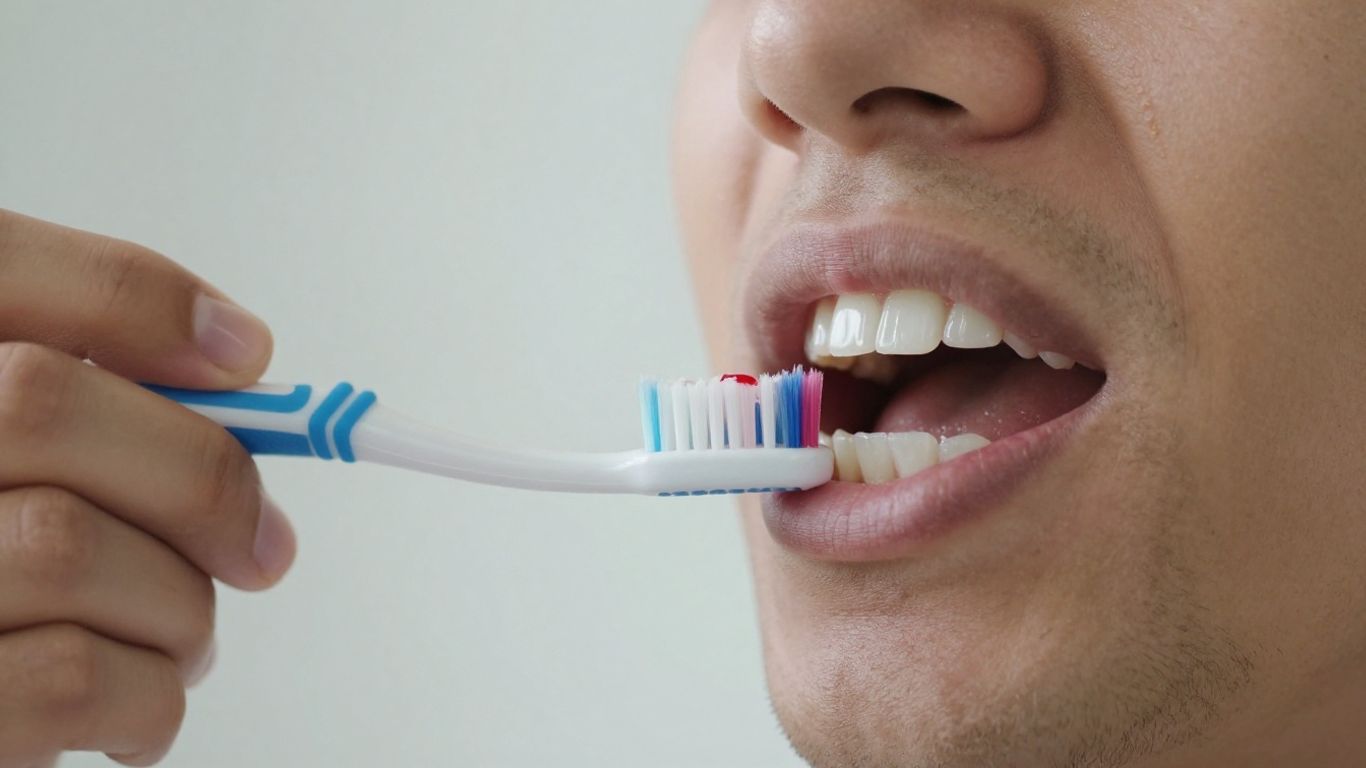
So, your gums are bleeding. Maybe it’s just after you floss, or perhaps you brushed a little too hard. It happens, right? But sometimes, that little bit of pink in the sink is trying to tell you something more. It’s easy to brush it off, but ignoring persistent or severe bleeding can lead to bigger problems down the road. If you’re wondering when it’s time to pick up the phone and call your dentist, here are some signs to watch out for.
Duration of Bleeding
Occasional bleeding, especially when you first start a new flossing routine, can be normal. Your gums might just need a few days to get used to it. However, if the bleeding doesn’t stop after about a week to ten days, even with diligent brushing and flossing, it’s a signal that something isn’t right. Persistent bleeding that lasts longer than a week warrants a professional look. It could be a sign of gingivitis, the early stage of gum disease, which is much easier to manage when caught early.
Accompanying Symptoms Like Pain and Swelling
Bleeding gums are one thing, but when they start hurting or looking puffy and red, that’s a different story. Healthy gums are typically firm and a nice shade of pink. If yours are consistently red, swollen, or feel tender to the touch, it usually means there’s inflammation going on. This inflammation is often caused by plaque buildup, and if it’s severe, it might even be accompanied by a dull ache or sensitivity when you eat.
Changes in Tooth Alignment
This one might seem a bit more serious, and it is. If you notice your teeth feel a little loose, or they seem to be shifting positions, it could indicate that the bone and tissues supporting your teeth are being affected. This is a common sign of advanced gum disease, also known as periodontitis. When the gums recede and the supporting structures weaken, teeth can start to move. It’s important to get this checked out right away because bone loss can be difficult to reverse.
Persistent Bad Breath
We’ve all had a bit of morning breath, but if you’re experiencing bad breath that just won’t go away, even after brushing and flossing, it could be linked to your gums. Bacteria that cause gum disease often produce foul-smelling compounds. So, that lingering unpleasant odor might be your gums sending out an SOS. It’s not just about feeling self-conscious; persistent bad breath can be a symptom of underlying dental issues that need attention. If you’re experiencing any of these signs, don’t hesitate to schedule an appointment with your dentist. Early detection and treatment are key to keeping your smile healthy and preventing more serious problems down the line. You can find more information about gum disease warning signs that require prompt dental evaluation.
If you’re experiencing a toothache that won’t quit, your gums are bleeding a lot, or you notice any unusual changes in your mouth, it’s time to get it checked out. Don’t wait for problems to get worse. Visit our website today to schedule an appointment and get the care you need.
Wrapping Up: Your Gums Matter
So, seeing a little pink in the sink after brushing isn’t just a minor annoyance; it’s your gums telling you something. Most of the time, it’s something you can fix with better brushing and flossing habits, or maybe a quick chat with your dentist about your routine. But if that bleeding sticks around, or if you notice other issues like swelling or teeth feeling loose, don’t put off making that appointment. Taking care of your gums is a big part of staying healthy overall, and a little attention now can save you a lot of trouble down the road. Your smile will thank you for it.
Frequently Asked Questions
Why do my gums bleed when I brush or floss?
Most of the time, bleeding gums happen because of plaque, a sticky film of bacteria that builds up on your teeth. If you don’t clean it off well, it can irritate your gums, making them red, swollen, and prone to bleeding. Starting to floss regularly can also cause temporary bleeding as your gums get used to it.
Can stress make my gums bleed?
Yes, stress can play a role. When you’re stressed, your body’s defense system can weaken, making it harder to fight off the bacteria that cause gum problems. Stress can also make your gums more inflamed, leading to bleeding.
What role does diet play in gum health?
What you eat really matters for your gums! Getting enough vitamins, especially Vitamin C, helps keep your gums strong and healthy. A balanced diet also supports your body’s ability to fight off infections that can affect your gums.
How long should I wait before seeing a dentist about bleeding gums?
If your gums bleed for more than a week or so, even after you’ve started brushing and flossing more carefully, it’s a good idea to see a dentist. Occasional bleeding that stops quickly might not be a big deal, but constant bleeding needs attention.
Are bleeding gums a sign of a serious health problem?
Sometimes, yes. While bleeding gums often point to gum disease like gingivitis, they can also be linked to other health issues like diabetes or problems with blood clotting. If your bleeding is severe or doesn’t get better, it’s important to get checked out.
What’s the best way to prevent bleeding gums at home?
The best defense is good daily care! Brush your teeth gently twice a day with a soft toothbrush, and floss every day to remove plaque between your teeth. Using an anti-bacterial mouthwash can also help. Making sure you eat well and stay hydrated is important too.